Plants for your Home but with Suitable Containers
While having plant pots that match your decor is important, a well-designed pot will save you a lot of hassle! Don’t underestimate the fact that quality indoor plant pots can even help keep those ferns, succulents, and other plants alive and healthy for longer. But let’s see in detail what we need to consider.
Table of Contents
How to Choose Plant Pots
What should you be looking for? First of all, consider that all plant pots should have drainage holes. These holes in fact allow the passage of excess water and promote better air circulation between the roots. This also means that you will need to equip yourself with a suitable saucer. Obviously it is also possible to use plant pots without drainage but in this case a very careful irrigation is necessary to avoid drowning the plant.
What Material should you choose for Plant Pots?
Ceramic and plastic are the two best options for indoor plant pots, and both materials have their pros and cons. Ceramic plant pots are porous, which means that your plants are less likely to suffer from mold due to excess water. It also means, however, that you will need to water them more often. Plastic pots are lighter, less prone to breaking and easier to clean. Plants in plastic pots will also dry out more slowly, which is good for those who forget to water plants, but not so good for those with a tendency to water them too often.
How Big Should Your Plant Pots Be?
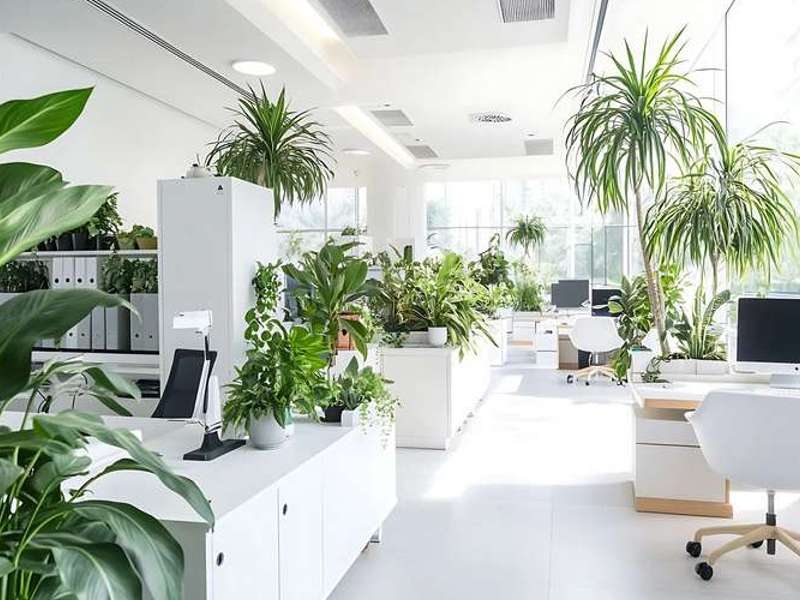
Let’s say that the rule when transplanting from one pot to another is to choose a pot that is a little larger than the current one, even a few centimeters is enough.
Choosing the right indoor plant pots for their size will save you a lot of work in the long run. In fact, indoor plants do not need to be transplanted as often as outdoor ones.
Indoor Plant Pots and Pets
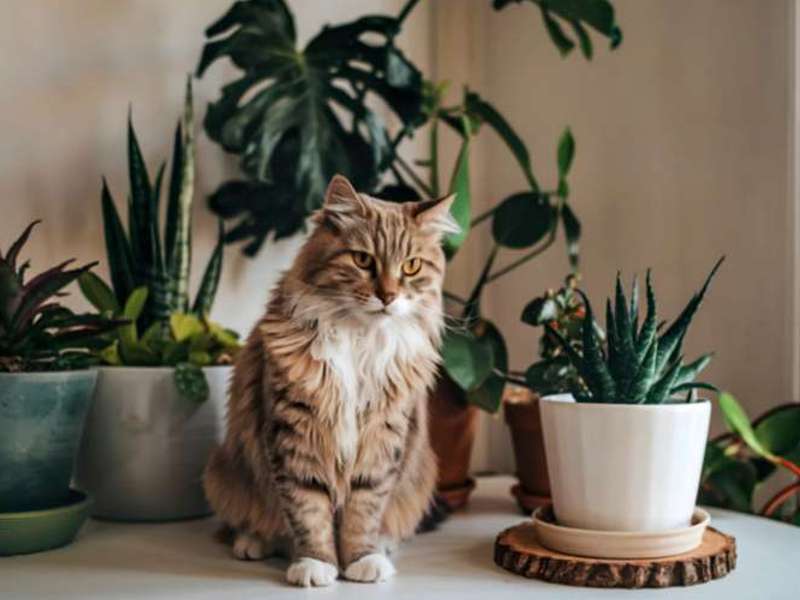
Pet owners know that many of the most popular indoor plants are toxic if ingested by cats or dogs. Philodendron, ficus, and aloe, to name a few, can be problematic for your furry ones. In general, it would be good to prevent pets from approaching houseplants (even fertilizer added to the soil of the plant can be a problem. It is therefore good to have suitable plants and resistant pots, which prevent our four-legged friends from turning the pot upside down and accessing the plant, so it is best to opt for hanging pots or tall, heavy plant pots.
What to do when choosing your Plant Pots
When choosing plant pots … be creative! Try anything in which you can do the drainage hoses we mentioned earlier: from an old boot to that baroque urn, almost anything can be used as a plant pot. The only condition is, in fact, that the container drains well (the roots will rot in the perennially soaked soil) and that it does not get too hot in the sun. If the pot you select or improvise doesn’t have enough drainage holes, be sure to drill at least one hole large enough for every gallon of potting soil used. If you can’t drill or drill holes in a particular planter, you can sometimes get around this by planting in a separate pot and placing it inside the container of your choice.
Always remember that if the pot is too small, the roots of the plants will quickly get entangled and the soil will not be able to hold enough moisture between waterings.
Where to Place the Plant Pots
Obviously, the place that your plant pots will occupy inside the house is also very important. First of all, in order to make sure your plant is healthy, the spot you choose must be sufficiently illuminated and must receive the right humidity according to the type of soil in which the plant grows. This means placing the plant pots not too close to the windows but in any case in bright and airy areas and, above all, with pots suitable for home furnishings. You don’t want an industrial-style concrete vase in a baroque living room, do you?
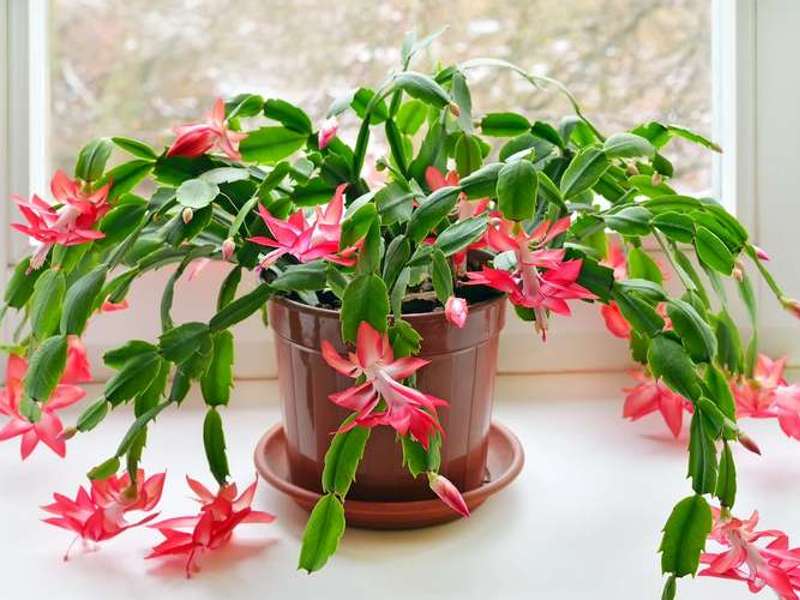
Now that you have seen the fundamental elements for choosing your plant pots, all you have to do is choose the plants and start giving vent to your creativity!